







Saving Maureen


On a cold winter’s day in Malawi, the Concern Universal team park their car by the roadside and walk up a steep hill in Chitimbe village, T/A Mphuka, Thyolo. At the top of the hill is a small house, made of mud bricks with a grass-thatched roof. Outside the house, cradled in her father’s arms is two and-a-half year old toddler Maureen Aliki. She greets us with a smile and is so overwhelmed by the crowd of people gathered at the house that she does not say a word. As with any healthy child, her skin is glowing, her short hair is thick and curly and her smooth chocolate cheeks are irresistibly chubby.
“Maureen is a very active and intelligent little girl. She tells me everything she’s learnt from school and even says grace before we eat our meals,” her mother, Verena Aliki, tells me.
“Each time I watch her run off to school or play with her friends my heart jumps for joy because just a year ago she was so malnourished, I thought she was critically ill. Maureen's cheeks had been swollen, she was very skinny and between the age of 4 and 9 months weighed just 6 kilograms (13 pounds). The fact that she refused to eat anything and survived on breast milk made things worse.”
“Even though I took her to the under-five clinic each month, Maureen’s diagnosis was made only after Concern Universal Community Change Agents (CCA) started visiting our local clinic. They raised an alarm and my daughter was then assessed by the lead-mother, who referred me to ” PD/Hearth Verena explains.
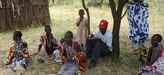
During these educational sessions, locally known as 'masanje', Verena and other mothers were taught nutrition, personal hygiene and sanitation basics.
“That first day, the health officials cooked porridge made from ngaiwa (unprocessed maized flour), groundnut flour and vegetables. To my surprise, Maureen ate ten teaspoons of porridge! At our next session, they fed her porridge mixed with an egg and sugar. Within a week, her health had significantly improved,” Verena explains.
The initial session was two weeks long, but now the PD/Hearth group of women meet twice a month to monitor growth of their children, share new recipes and get nutrition tips. Collectively, the group also plant vegetables and legumes and make money to buy items such as eggs for the good health and nutrition of their families.
Since her first session in 2012, Maureen’s weight has steadily risen to 15 kilograms. She is no longer malnourished, has a healthy appetite and exhibits all the signs of a healthy two year old.
As we leave the Aliki family, Verena runs up to us with a bowl full of red juicy tomatoes that she and fellow lead-mothers grow. This, she says, is a small token of appreciation for bringing back joy and life to her family through Maureen’s revival.
In addition to these tomatoes, the women have also planted pigeon peas, soya, beans and a lot of other vegetables with which they prepare nutritious meals for their families. As we leave, we know that the mothers of Chitimbe village PD/Hearth group are well equipped with the knowledge they need to ensure the good health and nutrition of their families.
About PD/Hearth
PD/Hearth (Positive Deviance Hearth) was introduced as a community based approach to reduce malnutrition and nutrition-related deaths of children under-five, which is prevalent within Malawi’s rural areas. According to a study from Thyolo in 2011, around 146 out of every 1000 children die due to malnutrition related causes.
Through the PD/Hearth approach, children with mild acute malnutrition are referred to masanje sessions, while those with severe acute malnutrition are taken to nutrition rehabilitation centres (NRU) for further management of nutrition related symptoms.
Concern Universal Health and Nutrition Co-ordinator, Phillimon Phiri, explains: “Mothers whose children have been rehabilitated through PD/Hearth sessions act as role models to others within the community. These are referred to as 'lead mothers'. Community Change Agents are community volunteers trained in child nutrition assessment and management. Their main role is to demonstrate best nutrition practices to peers, with support from those mothers whose children were once malnourished and benefited from PD Hearth sessions. Health Surveilance Assistants constantly mentor the Community Change Agents during the routine growth-monitoring sessions done at village clinic on a monthly basis. PD/Hearth is changing the way people understand nutrition.”
Since its inception within the Mphuka area, the project has reached out to approximately 476 children in 39 participating villages.
As we leave the Aliki compound, Verena runs up to us with a basin full of red juicy tomatoes that she and fellow lead mothers planted on an allocated piece of land. This, she says, is a small token of appreciation for bringing back joy and life into her family through Maureen’s revival.
In addition to these tomatoes, the women have also planted pigeon peas, soya, beans and a lot of other vegetables with which they prepare nutritious meals for their families. As we walk off, we know, without a doubt, that the mothers of Chitimbe village PD Hearth group are well equipped with the knowledge they need to ensure the good health and nutrition of their families and we hope this resonates in all the 39 villages of Mphuka.
By Akossa Mphepo